

As the Wheel of the Year turns once more, Beltane blazes into being — the great fire festival of May 1st, marking the height of spring and the gateway to summer. Between the planting of Ostara and the ripening of Litha lies this celebration of life, love, and the fertile union of earth and sky.
For ancient Celts, Beltane (from Bel-tinne, meaning bright fire or fires of Bel) was one of the most important festivals of the year — a time when the world was bursting with vitality, and the veil between the human and spirit realms thinned again, much like at Samhain. Yet where Samhain honors the ancestors and descent into darkness, Beltane celebrates creation, passion, and return to light.
Ancient Origins
Historical sources such as the Dindsenchas and later folklore describe Beltane as a time when twin bonfires were lit to protect cattle, crops, and people from disease and misfortune. Herds were driven between the flames for blessing, and coals from the sacred fires were carried home to rekindle household hearths. The fires represented the sun’s growing power and the god Belenus, a solar deity associated with healing and vitality.
May Day customs across the British Isles preserve echoes of these rites: Maypole dances, flower crowns, and the crowning of the May Queen all celebrate fertility and renewal. Some historians suggest that even after Christianization, folk traditions like morris dancing and May baskets carried forward the old seasonal spirit beneath new names.
Beltane Through the Ages — and Today
In the 20th century, the revival of paganism and witchcraft reawakened Beltane’s fires. From Gerald Gardner’s mid-century coven rituals to the grand Beltane Fire Festival that began in Edinburgh in 1988, the celebration has continued to evolve. Modern pagans and witches gather to dance around bonfires, weave ribbons around maypoles, and perform rituals that honor the Sacred Marriage — the union of the Goddess and the Green Man, or of Earth and Sun, symbolizing the creative spark of life itself.
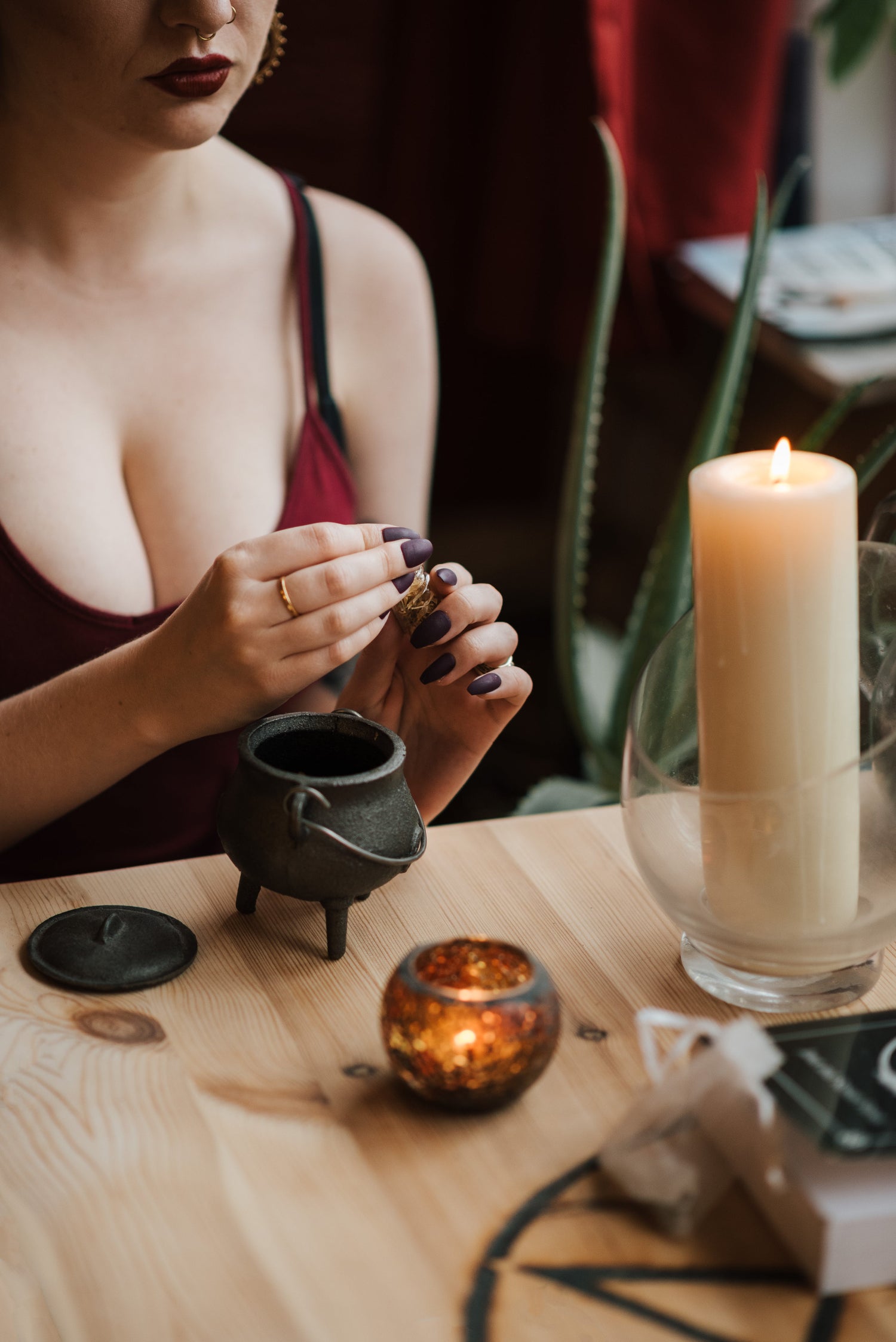
In recent years, Beltane has seen a renaissance in eco-pagan and kitchen witch communities, where the focus often shifts from fertility in a literal sense to fertility of creativity, community, and purpose. Many witches light symbolic fires — even candles or cauldrons indoors — to honor transformation and passion in all its forms.
Online spaces like Instagram, TikTok, and Reddit’s r/Witchcraft are filled each May with photos of wildflower wreaths, altar offerings of honey and milk, and nature walks celebrating the greening of the land. The aesthetic of Beltane — all soft greens, wild blossoms, and firelight — resonates deeply with modern practitioners seeking reconnection with the natural world.
Symbols and Themes
Themes: Fertility • Passion • Union • Growth • Protection • Joy
Colors: Green, pink, white, red, and gold
Symbols: Maypoles • Fire • Flowers • Ribbons • Chalices and wands • Honey and milk
Deities often honored: Belenus, Flora, Freya, Pan, the May Queen and Green Man
Ways to Celebrate Beltane
- Light a fire (or candle) — symbolizing the sun’s power and vitality.
- Decorate your altar with fresh flowers, ribbons, and greenery to represent fertility and life.
- Dance around a Maypole or create a miniature one for your altar — weaving ribbons to symbolize connection and joy.
- Prepare foods of the season: honey cakes, berries, cream, and fresh bread.
- Hang flower garlands or greenery on doorways for protection and blessing.
- Walk barefoot on the grass at dawn to absorb the dew — an old custom said to bring beauty and good fortune.
- Perform love or creativity spells — not for control, but to open yourself to connection, inspiration, and vitality.
Beltane Magic and Modern Witchcraft
For witches, Beltane’s energy is fire magic — passionate, transformative, and fertile. This is a time for manifesting abundance, charging crystals and tools in the sunlight, and crafting charms of love, success, and courage.
One popular Beltane practice today is the fire jump — leaping (safely) over a small flame or candle while making a wish for courage or passion. Others write intentions on paper and feed them to the fire, releasing them into the universe.
In a 2022 poll among modern pagans, Beltane ranked among the most beloved Sabbats, often described as the moment when “everything feels alive again.” It’s a sensual and heart-centered celebration, reminding us to embrace joy, touch, laughter, and the fullness of being alive.
Reflection
Where Imbolc stirs awakening and Ostara plants the seed, Beltane ignites the flame. It teaches that growth requires warmth and risk — that to live fully, we must engage with passion, love, and the wildness of life itself.
Whether you celebrate with bonfires and dance, a simple offering of honey and flowers, or quiet reflection at sunrise, Beltane is a reminder that we are part of the living cycle — co-creators in the eternal rhythm of earth and sky.
Closing Blessing
May your Beltane fires burn bright,
May your heart be open and brave,
And may every seed you’ve planted burst into bloom beneath the sun’s blessing.