

When I first began celebrating Yule, I felt a pull toward the quiet power of the longest night—and the promise hidden in the returning light. For many modern pagans and witches, Yule occupies that same sacred space of paradox: darkness, stillness, and the stirrings of new life.
Let’s walk through Yule’s history, its evolution, and how you can meaningfully celebrate it today.
The Roots of Yule: Germanic, Norse & Anglo Traditions
The word Yule (Old English geol / geola, Old Norse jól) predates Christian adoption and refers to ancient midwinter festivals among Germanic and Norse peoples.
In Old Norse tradition, Jól was observed over multiple nights around the winter solstice, especially centered around the darkest time of year. In the Viking and Germanic milieu, the rebirth of the sun and the return of light was the central theme.
The Yule log is one of the more enduring symbols. In many folk accounts, the log (or successive logs) was burned to represent the return of light and dispel darkness.
Over time, as Christianity spread across Europe, many Yule customs were subsumed or syncretized into Christmas traditions (gift-giving, evergreen decoration, the log, etc.).
In short: Yule is ancient, Germanic in origin, and has always centered on honoring the turning point of winter and the promise of light’s return.
Why Yule Matters to Modern Witches & Pagans
In modern pagan practice, Yule is celebrated as a Sabbat on the Wheel of the Year. It marks the winter solstice (or its nearest convenient date) and symbolizes:
- The rebirth or “resurrection” of the sun
- Renewal, hope, and turning from darkness to light
- Reflection, endings, and the seed potential for what is to come
It’s a time to slow down, reflect on the year past, set intentions for growth, and honor the cycles of nature.
In 2020, for example, many witches and pagans highlighted Yule as a symbol of hope, moving through a dark year and looking toward a brighter future. Some held Yule log vigils, burning away what they wished to release and watching for the sun’s return as both literal and symbolic renewal.
Yule today is not just ritual—it’s deeply symbolic and adaptable. Whether you live in ice and snow or milder climates, the archetypal meaning still resonates.
Ritual Ideas & Ways to Celebrate Yule
Here are practices and ideas that blend tradition with modern sensibilities:
1. Light the Yule Log or Candle
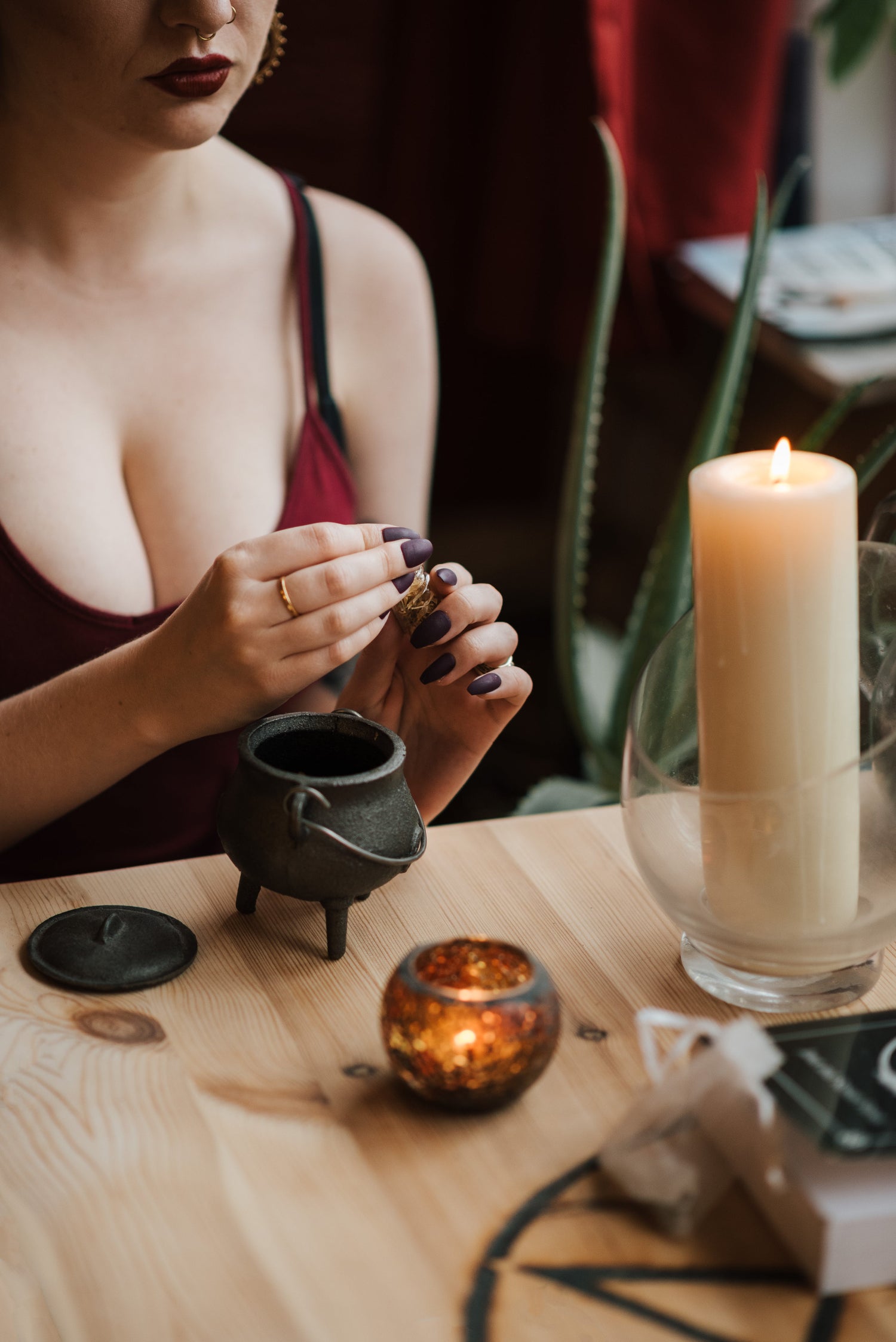
If you have a hearth, burn a Yule log (or piece of wood) throughout the night, gradually feeding it as needed. If not, roll a beeswax candle or ritual candle and burn it as your symbolic log.
- Light symbolizes the return of the sun.
- You may carve runes, names, or wishes into the log or candle before burning.
2. Watch the Sunrise or Hold a Vigil
Stay up or wake early to greet the dawn—a direct ritual of witnessing the return of light.
- Many witches share photo rituals or livestreams at dawn to mark the moment.
- Even in urban settings, standing by a window with your altar candle is meaningful.
3. Reflect, Release, & Intend
Write down what you wish to release from the year past—fears, regrets, patterns—and ceremonially burn or let them go in ritual fire.
Then write intentions or seeds for the coming year: new projects, growth areas, dreams.
4. Feed Your Spirit with Symbolic Offerings
Use evergreen boughs, holly, pine cones, and mistletoe as altar decor.
Bring food offerings or share a communal feast.
Wassailing (blessing trees with song and small offerings) is also a folk custom you can adapt.
5. Divination & Seeding Spells
Pull tarot or oracle cards for the year ahead.
Plant seeds indoors (in pots or seed trays) as a symbolic gesture of growth.
Use runes, ogham, or scrying to see what energies are forming in your path.
6. Honor Duality: Oak & Holly, Light & Dark
Many modern witches include the mythic duality of Oak King (waxing light) and Holly King (waning light) in their Yule celebrations—marking the shift in power.
Some create small figurines, visualizations, or role-play ceremonial shifts between them.
Recommended Tools & Products
When writing this post for your site, you might weave in product highlights like:
- Yule Winter Solstice Altar Ritual Pillar Candle — a symbolic candle for your Yule fire
-
Yule Ornament — decorate your Yule tree with Pagan ornaments.
-
Yule Cards — send Yule friendly cards to family and friends.
- Yule Wrapping Paper — a strong nature-symbolic cloth for winter rituals
- 2026 Witches Calendar — for tracking solstices, Sabbats, lore, and ritual ideas across the year
Including these as optional tools helps readers imagine how they might bring your blog into their own practice.
Challenges & Adaptations for Modern Life
Not everyone lives where snow falls or dark nights stretch long—but you can still do meaningful Yule. Here are some adaptations:
- Use ritual candles if you lack a fireplace
- Plant indoors with potted evergreens or herbs
- Bring in light with lanterns, string lights, or salt lamps
- Host virtual candles or sunrise gatherings over Zoom or social media
- Shorten rituals or spread them over days for families or people with limited time
Yule doesn’t demand perfection—it demands intention.
Final Thoughts: Yule as a Living Tradition
Yule invites us to dwell in the mystery of the turning year. It’s a time of paradox—stillness and hope, darkness and emerging light.
When I stand before my altar, candle flickering, evergreens scenting the air, I feel a continuity with those ancient souls who marked the longest night with fire and song. I feel my own spark reigniting.
Yule is not just for pagans or witches—it’s for anyone open to the subtle turning of cycles. In embracing it, we remember that light always returns, even in the deepest darkness.
Blessed Yule to you and your hearth.